
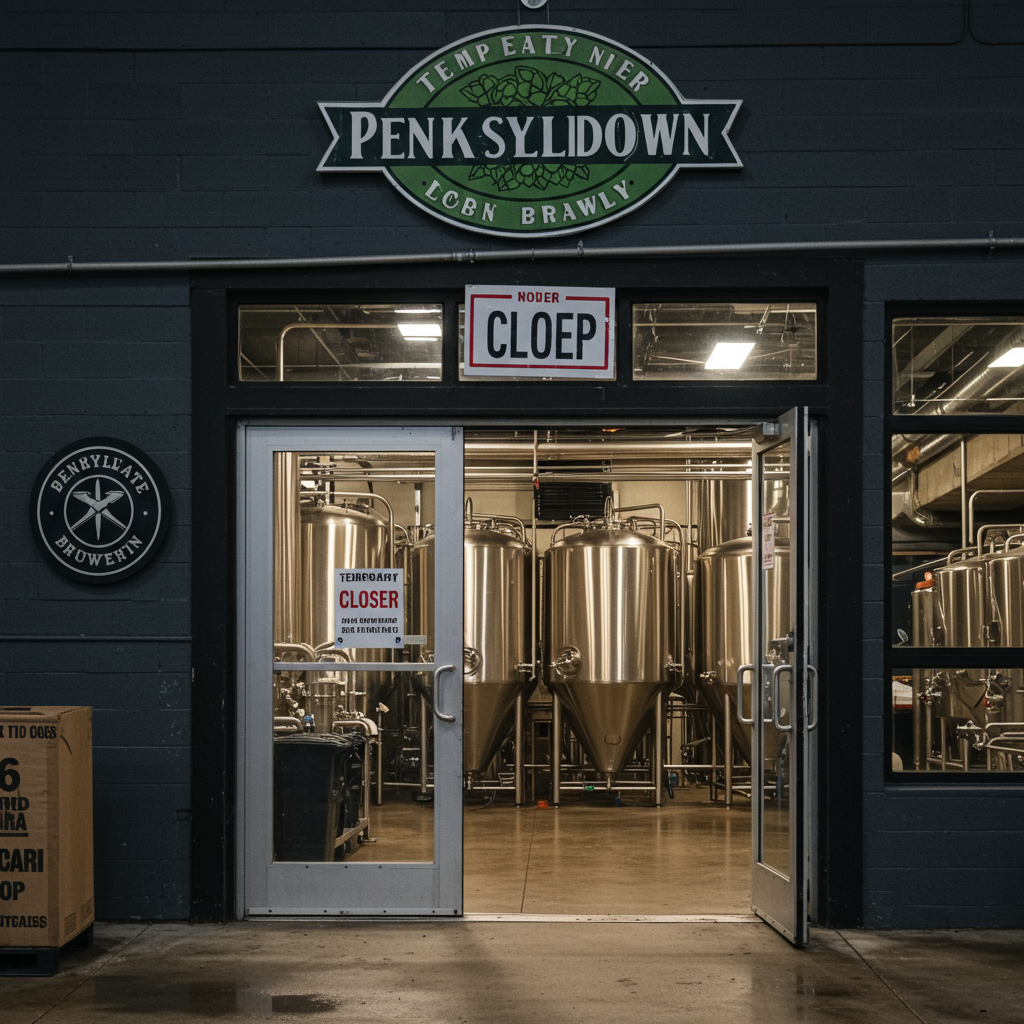
When Washington Goes Dark: Impact of the 2025 Federal Shutdown on Pennsylvania Breweries
For craft beer enthusiasts, a Federal government shutdown may seem far removed, often associated with budget tussles or national parks closures. However, what unfolds behind the scenes can profoundly affect the brewing industry—especially craft breweries that operate on tight margins and rely heavily on timely regulatory processes. In October 2025, as Federal funding ceased, the Alcohol and Tobacco Tax and Trade Bureau (TTB), essential for brewery operations, suspended most activities, creating a ripple effect felt across the craft brewing sector, and notably in Pennsylvania.
This examination details how the governmental hiatus influences breweries at large and its potential ramifications for the Pennsylvania beer scene. Furthermore, it explores adaptive measures breweries can employ to navigate these challenging tides.
1. The 2025 Shutdown: What’s Actually “Off the Shelf”
Understanding the Shutdown
On October 1, 2025, the U.S. Federal government partially shut down as Congress failed to pass essential appropriation bills or reach a continuing resolution. This funding lapse led many federal agencies to halt all non-essential operations. For breweries, the TTB, pivotal for regulatory compliance, proposed furloughing most of its staff, retaining only a skeleton crew to perform essential tasks, such as processing excise taxes and protecting critical federal assets.
Limited TTB Functions
The TTB continues to perform a select set of functions designed to protect financial and legal infrastructures during the shutdown. These include processing tax returns with payment, ensuring IT stability, safeguarding federal properties, and handling statutory-required enforcement. Conversely, tasks critical to breweries—such as Certificate of Label Approval (COLA) reviews, formula approvals, and brewer’s permit modifications—face indefinite suspension, causing potential delays in product launches.
2. National Impact: Shockwaves through the Craft Beer Industry
The disruptions of a Federal shutdown extend beyond Washington, significantly impacting the craft beer industry. As a sector intricately linked with timely regulatory approvals and seasonal production cycles, breweries are uniquely affected by the TTB’s operational freeze.
Vulnerabilities in Brewing Operations
Craft breweries are particularly reliant on TTB for product approval and formula changes. The shutdown stalls these procedures, creating bottlenecks that impact product launches, especially crucial for seasonal beers like summer sours or winter stouts. Additionally, distribution and market supply chains that hinge on regulatory clearances face delays, affecting breweries’ cash flow and market presence.
Learning from Recent Past Shutdowns
Drawing from the 2019 Federal shutdown, breweries already anticipate potential disruptions. Past experiences showed significant hold-ups for seasonal beer releases and a tendency for breweries to end up with unsold product due to delayed label approvals. The Brewers Association continues to alert brewers to brace for immediate challenges in licensing and formula changes.
3. Pennsylvania Breweries: Facing the Shutdown in the Keystone State
In Pennsylvania, with its robust craft beer presence, the stakes are palpable. Ranked among the nation’s top in beer production, Pennsylvania’s breweries face diverse challenges exacerbated by the shutdown.
Pre-Shutdown Brewing Landscape
Pennsylvania’s craft beer sector significantly contributes to local economies but has faced recent pressures such as market saturation and fiscal challenges, as highlighted by the closure of several breweries, including Iron Hill Brewery’s locations in the state. With the added strain of a federal shutdown, the situation becomes precarious for smaller and newer players.
Local Historical Context
During the 2019 Federal halt, breweries like Dock Street Brewery encountered direct impacts, with label processing delays leading to postponed releases. With such precedents, Pennsylvania brewers are already girding themselves for a potentially longer and more burdensome regulatory freeze in 2025.
4. Historical Context: Precedents & Lessons Learned
Shutdowns’ Impact on the Craft Beer Industry
Past shutdowns serve as a reference point for current strategies. Lengthy administrative pauses during the 2019–2020 period underscored the vulnerability of breweries to regulatory standstills. The resulting backlog of approvals after the government’s reopening exemplified the enduring aftereffects on scheduling and distribution chains.
Behavioral Adaptations
The repeated exposure to federal stoppages has inspired breweries to adopt cautious strategies. Measures include filing all anticipated label changes in advance, stockpiling inventory, and developing flexible product schedules to buffer against predictable federal roadblocks.
5. Mitigation Strategies for Breweries
Pre-Shutdown Readiness
Breweries can bolster resilience through proactive planning in anticipation of shutdowns. Early submission of regulatory documents, investing in key inventory, and auditing regulatory compliance in advance are prudent steps. Crafting modular product plans that allow for intermediate approvals or substitutions further eases potential delays.
Operating During a Shutdown
During the shutdown phase, breweries might pivot focus towards stable SKUs, enhance taproom experiences, and navigate intra-state sales opportunities more intensely. Clear communication with all stakeholders about expected delays helps maintain reputational goodwill and avert further pressure. As operations resume, prioritizing catch-up on essential filings and recalibrating future planning are key to recovery.
6. Pennsylvania Breweries Best Equipped to Withstand the Shutdown
D.G. Yuengling & Son
With its longstanding presence and substantial operational reserves, D.G. Yuengling & Son exemplifies resilience. Leveraging the strength of core product lines and robust distribution networks, Yuengling maintains a cushion against regulatory interruptions.
Tröegs Independent Brewing
Another Pennsylvania figurehead, Tröegs Independent Brewing benefits from a diversified product line and strong market penetration. By focusing on regional stability and maintaining brand loyalty, Tröegs can absorb unforeseen shocks more effectively.
Advanced Planning and Local Strategies
Breweries emphasizing local market engagement, lean operational strategies, and regulatory foresight demonstrate the ability to navigate shutdown challenges efficiently. Utilizing community support and optimizing direct-to-consumer channels strengthens their market position under stress.
7. Final Thoughts
The intricacies of a Federal shutdown underscore the delicate balance between craft beer creation and government regulation. Pennsylvania’s rich brewing tradition faces a pivotal moment that challenges innovation and perseverance. By arming themselves with strategic foresight and community support, breweries can endure this storm and continue to contribute vibrantly to the American craft beer narrative.
8. Discover More from BreweriesNearMe.us
For more insights into the craft beer landscape and the dynamic world of microbreweries, explore BreweriesNearMe.us. Our platform serves as your go-to guide for brewery tours, beer festivals, and discovering exceptional local taproom experiences across the U.S. Stay informed and inspired with our articles, beer reviews, and travel guides as we celebrate the craft beer journey together. Cheers to discovering your next great brew adventure!
#CraftBeer #PennsylvaniaBreweries #BeerTourism #Microbreweries #ShutdownImpact